NinjaTMS
C.H. Robinson Forecasts 17% Rate Jump as Hormuz Snarl Drags On
Dry van costs projected up 17% year-over-year through end of 2026, while ceasefire fails to reopen Strait of Hormuz and 600+ vessels remain stranded.

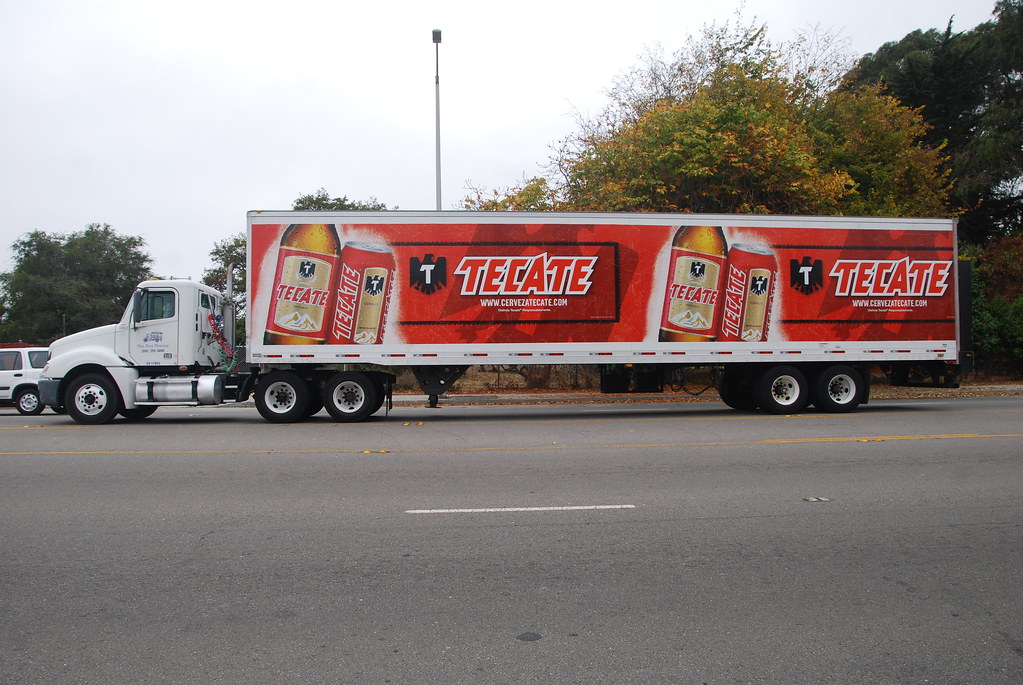
C.H. Robinson is projecting dry van contract rates will climb 17% year-over-year by the end of 2026, with reefer up 16%, according to the broker's April market intelligence update shared this week by Director of Market Intelligence Ryan Hammett.
The forecast marks a sharp reversal from 2025, when rates bottomed out through most of the year before surging in early 2026. C.H. Robinson's data shows no rate decline through the remainder of this year.
Hormuz Ceasefire Hasn't Reopened the Strait
A U.S.-Iran ceasefire announced Tuesday was supposed to ease the Strait of Hormuz crisis, but shipping traffic remains paralyzed. Only five vessels transited the strait Wednesday, followed by seven Thursday — a fraction of the normal flow of hundreds per day, Freight Caviar reported.
More than 600 vessels are stranded in the Gulf, including 325 tankers. Analysts quoted in the report expect safe transit capacity will max out at 10 to 15 passages daily even if the ceasefire holds, meaning the backlog could take months to clear.
Oil prices dropped toward $95 per barrel on the ceasefire news, but carriers shouldn't expect pump relief until those tankers actually start moving. The gap between a diplomatic announcement and resumed fuel supply is measured in weeks, not days.
What the Rate Forecast Means for Carriers
C.H. Robinson's 17% projection reflects tightening capacity and rising input costs, particularly fuel. The Hormuz bottleneck is keeping crude supply constrained, which props up diesel even as benchmark oil prices soften. For carriers negotiating contracts now, the broker's forecast suggests shippers are pricing in sustained cost pressure through year-end.
If you're running spot, the early-2026 rate surge C.H. Robinson charted is already in your settlement sheets. The question is whether that holds. Contract rates lag spot by 60 to 90 days, so the 17% year-over-year figure implies shippers expect spot to stay elevated or climb further.
Cargo Theft Spike in Same Corridor
Two major cargo theft cases broke the same week, both involving freight that moved through what appeared to be legitimate channels. In California, three people were arrested after stealing approximately $1 million in LEGO products from trailers in transit from Fort Worth to Moreno Valley. Deputies caught two box trucks fleeing the scene with the stolen loads inside, Freight Caviar reported.
Separately in Texas, authorities intercepted two semis carrying $470,000 in stolen vehicles believed headed to Honduras. The vehicles moved through freight channels before anyone flagged them.
Both cases in the same week, same corridor. Vet your carriers and double-check load boards for red flags — mismatched equipment, vague pickup instructions, or brokers you can't verify.
What this means for carriers: C.H. Robinson's rate forecast gives you a data point for contract negotiations, but the Hormuz situation is the wild card. If those 325 tankers don't start moving in the next two weeks, diesel stays high and the 17% projection could be conservative. On theft: if you're hauling high-value consumer goods or vehicles, tighten your vetting process and confirm every pickup with the shipper directly. The stolen LEGO and vehicle loads both moved as if they were legitimate freight until someone noticed.