NinjaTMS
Motive, Averitt, MVT Roll Out Tech Aimed at Cutting Carrier Costs
Three moves this week show fleets betting on integrated data and AI to trim downtime, fuel spend, and admin work.

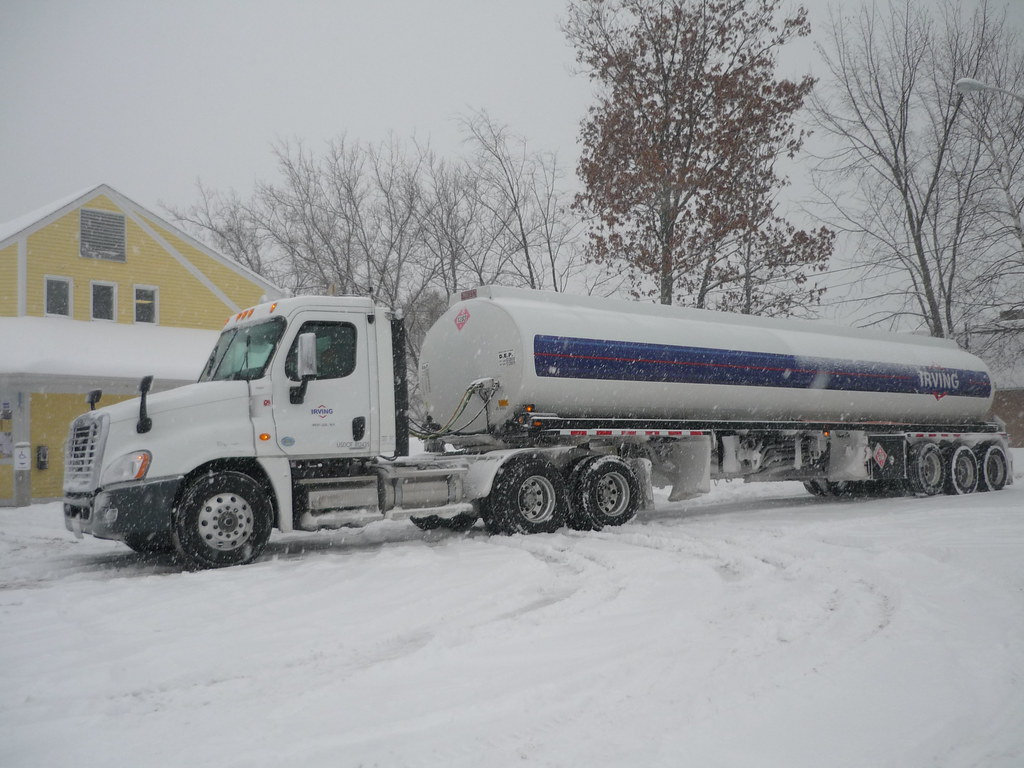
Three technology deployments announced this week share a common thread: carriers are paying for tools that promise to cut operating costs by connecting data streams that used to sit in separate systems.
Motive became the first telematics partner in Holman's Telematics Preferred Integration Network, linking real-time vehicle and driver data directly into fleet management and maintenance platforms. Averitt launched an instant online quoting and booking tool for truckload shippers. And Mesilla Valley Transportation committed to installing 1,400 units of Traxen's AI-powered cruise control system across its fleet over the next 18 months. Each move targets a different cost center — maintenance, sales friction, fuel — but all three depend on making fragmented data work together.
Motive and Holman: Maintenance Before the Breakdown
The Motive-Holman integration feeds location, odometer readings, engine hours, fault codes, and maintenance alerts into a single platform. The stated goal is proactive maintenance scheduling: catching issues before they strand a truck or force an unplanned shop visit.
"By eliminating data silos between safety, telematics, and maintenance, we're helping fleet leaders proactively address issues before they become costly failures," Adam Block, Motive's chief revenue officer, said. "That can mean fewer breakdowns, less downtime, and better control over operating costs."
For carriers, the value proposition is straightforward. Unplanned downtime costs more than scheduled maintenance, and a truck in the shop doesn't generate revenue. The integration also surfaces fuel and idling data alongside driver safety metrics, giving fleet managers a consolidated view of total cost of ownership. Holman's platform already handles fleet management and maintenance workflows; adding Motive's telematics feed means one less login and one less manual data transfer.
The integration reduces administrative burden by automating data flows that previously required manual entry or reconciliation. Fleets using both systems can now pull maintenance alerts and fault codes into the same dashboard where they schedule service and track repair history.
Motive's expanding integration footprint includes NinjaTMS, which has reported cutting load entry times by 95 percent using AI to automate data capture from rate confirmations, bills of lading, and other dispatch documents. That kind of time savings compounds when telematics data flows directly into the TMS without manual re-keying.
Averitt: Instant Quotes, Human Backup
Averitt's new website feature lets shippers with an Averitt.com profile get instant truckload rate quotes and book van, flatbed, or refrigerated shipments across the continental U.S. After booking, Averitt's North America Truckload team secures a driver, confirms pickup, and provides tracking once the load is picked up.
"This new feature gives customers the ability to quickly access competitive truckload rates and book shipments whenever it's most convenient for them," Kent Williams, Averitt's executive vice president of sales and marketing, said. "At the same time, our North America Truckload team remains closely involved behind the scenes to secure capacity and provide the service and communication our customers expect."
The tool is a hybrid: digital quoting and booking on the front end, human dispatch and carrier coordination on the back end. Averitt's North America Truckload service combines its asset-based fleet with carrier partners, so the instant quote reflects both internal capacity and brokered options. For carriers in Averitt's network, the change means shipper demand flows through a faster booking process, potentially shortening the time between quote and load assignment.
The move follows a broader industry trend toward self-service shipper portals, but Averitt's emphasis on keeping its truckload team in the loop suggests the company is betting that carriers and shippers still value human coordination when capacity tightens or loads require special handling.
MVT: AI Cruise Control for 1,400 Trucks
Mesilla Valley Transportation, the largest privately owned transportation fleet in the U.S., will install Traxen's iQ-Cruise system on about 1,400 trucks over the next 18 months. The system uses AI, high-definition maps, GPS, and real-time data on traffic, weather, and load to adjust cruise control and driving strategy for fuel efficiency.
"MVT's evaluation shows iQ‑Cruise delivers significant efficiency and value to their operations," Tim Bauer, vice president of aftermarket, global sales, and business development for Eaton's Mobility Group, said. Eaton distributes the technology exclusively.
MVT's decision followed what Bauer described as "rigorous testing and thoughtful assessment." The fleet is integrating the technology as part of a broader strategy to reduce cost per mile and improve fleetwide miles per gallon. For a large fleet, even a fractional mpg gain compounds quickly. A one percent fuel efficiency improvement on a truck running 100,000 miles a year at 7 mpg, with diesel at $3.50 per gallon, saves roughly $500 per truck annually. Across 1,400 trucks, that's $700,000.
The system's reliance on real-time traffic and weather data means it adjusts cruise control dynamically rather than holding a fixed speed. That approach can save fuel on routes with variable terrain or congestion, but it also depends on drivers trusting the system to manage speed without constant manual override.
What this means for carriers: The common thread in all three announcements is cost control through data integration. Motive and Holman are betting fleets will pay for unified maintenance visibility to avoid expensive breakdowns. Averitt is streamlining shipper access to capacity, which could speed up load assignments for carriers in its network. MVT is investing in AI-driven fuel savings at scale. None of these tools are free, and none deliver value unless the data they pull is accurate and the systems they connect actually talk to each other. But the direction is clear: carriers that can't or won't integrate their data streams are operating with one hand tied behind their back.