NinjaTMS
Diesel prices to keep climbing despite Iran ceasefire, EIA warns
Strait of Hormuz reopening could take months, keeping fuel costs elevated through summer

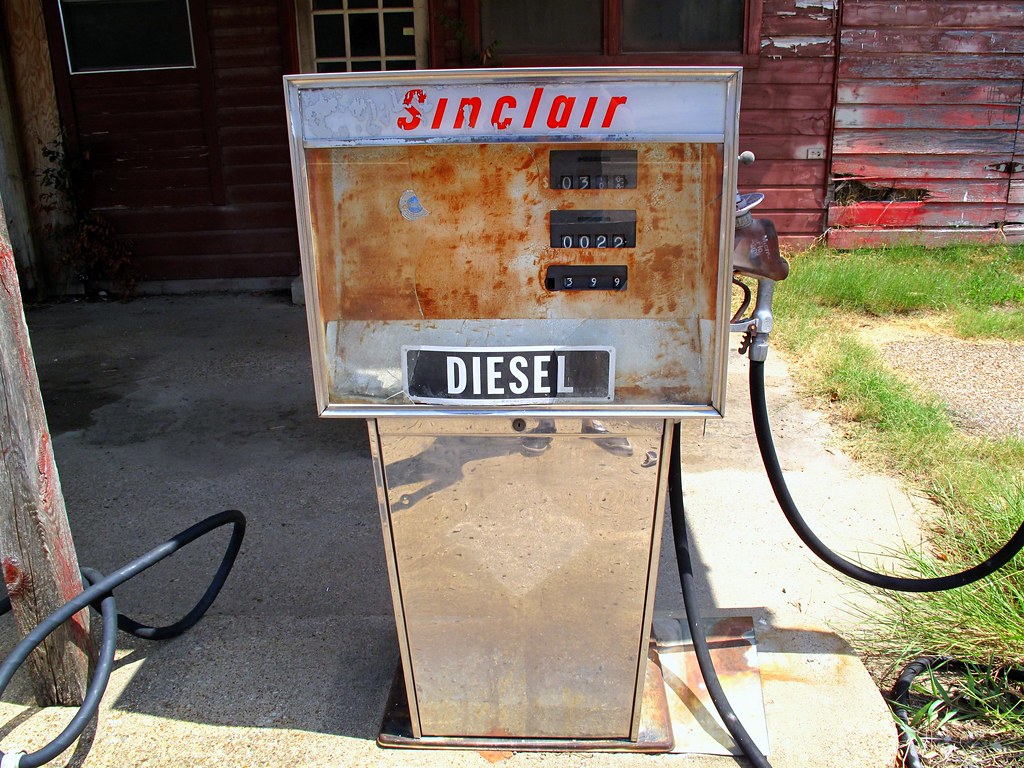
Diesel and gasoline prices will continue rising for months even after the U.S.-Iran ceasefire, according to the Energy Information Administration, as producers work to restore oil flows through the Strait of Hormuz.
AAA reported the national gasoline average at $4.14 per gallon as of April 8—88 cents higher than the same week last year. The EIA's estimate ran 7 cents higher. Brent crude futures dropped nearly 20% immediately after the ceasefire announcement, but the agency said that relief won't reach the pump anytime soon.
Strait reopening timeline uncertain
"Just as we had never before seen the strait close, we've never seen it reopen," the EIA stated. "What exactly that looks like remains to be seen. Full restoration of flows will take months. Our modeling indicates that fuel prices will continue to rise until these variables resolve."
The Strait of Hormuz handles roughly one-fifth of global oil supply on a normal day. Disruptions there pushed fuel costs up sharply in recent weeks, squeezing carrier margins already under pressure from soft freight rates.
What this means for carriers: Budget for elevated fuel costs through at least mid-summer. The ceasefire is a step toward relief, but the EIA's warning that "fuel prices will continue to rise" means fuel surcharges won't cover the gap in the near term. Carriers running tight on cash should model scenarios where diesel stays above $4 per gallon into July or August. The 88-cent year-over-year jump in gasoline is a proxy for where diesel is headed—plan accordingly.