NinjaTMS
Trump budget seeks $1.3B freight boost, cuts EPA diesel programs
FY2027 proposal would add $770M for congestion relief, $714M for bridge repair, while zeroing out Clean School Bus and Clean Ports funding.

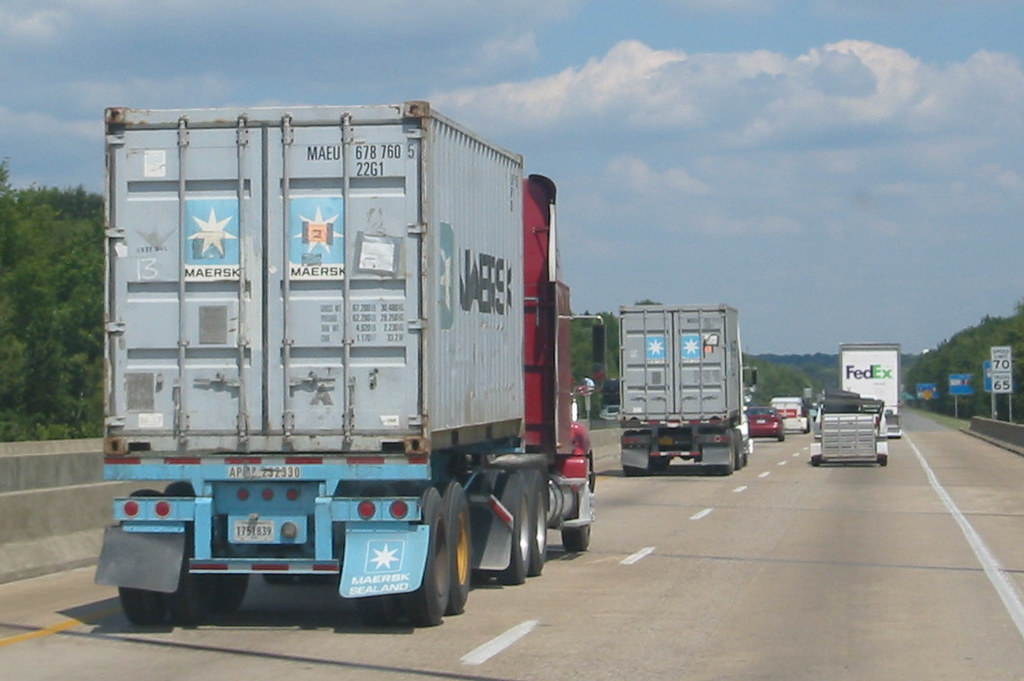
The Trump administration's FY2027 budget request proposes $1.3 billion in additional funding for freight infrastructure through the INFRA program, while eliminating EPA grants that fund diesel emission reductions and electric vehicle charging stations.
The extra $1.3 billion would flow to the Nationally Significant Multimodal Freight & Highway Projects program — INFRA — on top of the roughly $1.5 billion per year already allocated under the Bipartisan Infrastructure Law, which provided $8 billion for INFRA over five years. Of the proposed addition, $770 million would target projects to "ease highway congestion and open up freight bottlenecks," according to Fleet Owner, and $714 million would go toward repairing or replacing highway bridges in disrepair.
DOT cuts target EV charging and transit
The budget proposes cutting several Department of Transportation programs. It would eliminate the Charging and Fueling Infrastructure Discretionary Grant Program, which funds electric vehicle charging stations and alternative fuel infrastructure. It also removes funding for the Capital Investment Grants program, which supports transit projects.
Those cuts reflect a shift away from federal support for electric vehicle adoption in commercial fleets. Carriers that planned to apply for charging infrastructure grants under the eliminated program would need to fund installations privately or wait to see if Congress restores the line item during negotiations.
EPA diesel programs on the chopping block
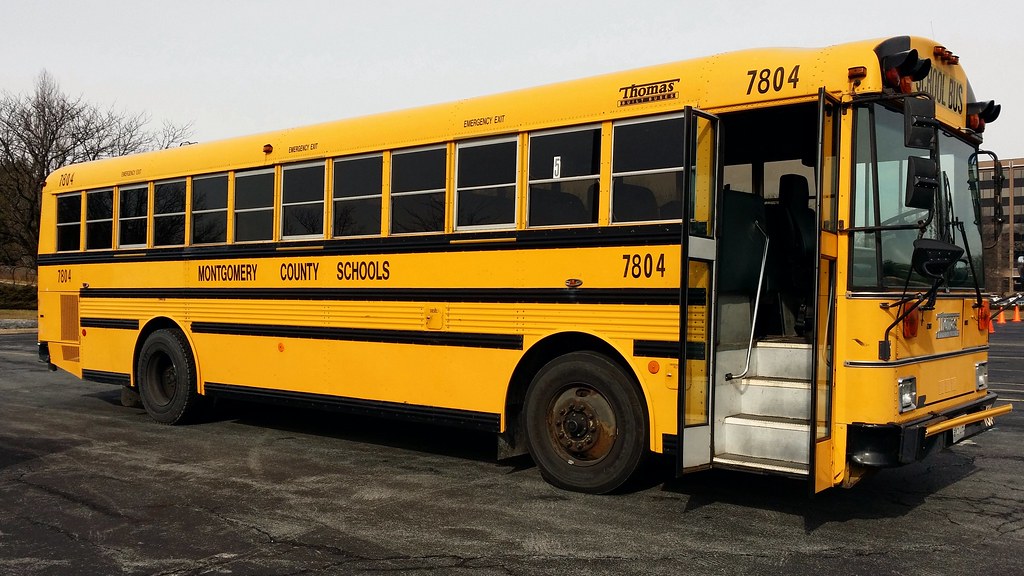
Under the Environmental Protection Agency's portion of the budget, two diesel-related grant programs face elimination. The Clean School Bus Program, which funds replacements of older diesel school buses with electric or lower-emission models, would lose funding. The Clean Ports Program, which supports emission reductions at ports including truck replacements and electrification, would also be cut.
Fleet Owner reported the proposed cuts without specifying current funding levels for those programs. The Clean Ports Program has funded diesel truck replacements and charging infrastructure at port facilities in recent years. Its elimination would remove a funding source for drayage fleets looking to replace older trucks or add zero-emission vehicles to meet port access requirements in California and other states with tightening emissions rules.
What happens next
The proposed budget represents the administration's opening position in Congressional negotiations. Both Republican and Democratic lawmakers are expected to push for changes before any final spending package passes. The gap between a president's budget request and the bill Congress ultimately funds is often wide, particularly on programs with bipartisan support or strong industry lobbying.
For carriers, the proposal signals where one faction of the Republican Party wants to direct transportation dollars: toward traditional highway and bridge infrastructure, away from electric vehicle support and emissions reduction grants. Whether those priorities survive the legislative process depends on negotiations that typically stretch into the fall.
What this means for fleets
If the INFRA funding increase passes, fleets could see faster movement on congestion relief projects and bridge repairs that affect freight corridors. The proposed cuts to EV charging grants and diesel emission reduction programs mean carriers planning electric transitions or seeking grants to replace older trucks should not count on federal support under this budget. State and local programs may fill some gaps, but fleets in states without their own incentive programs would face higher upfront costs for zero-emission vehicles and infrastructure. Watch Congressional markups through the summer to see which pieces survive.